7 Signs Your Home Needs a Whole House Rewire
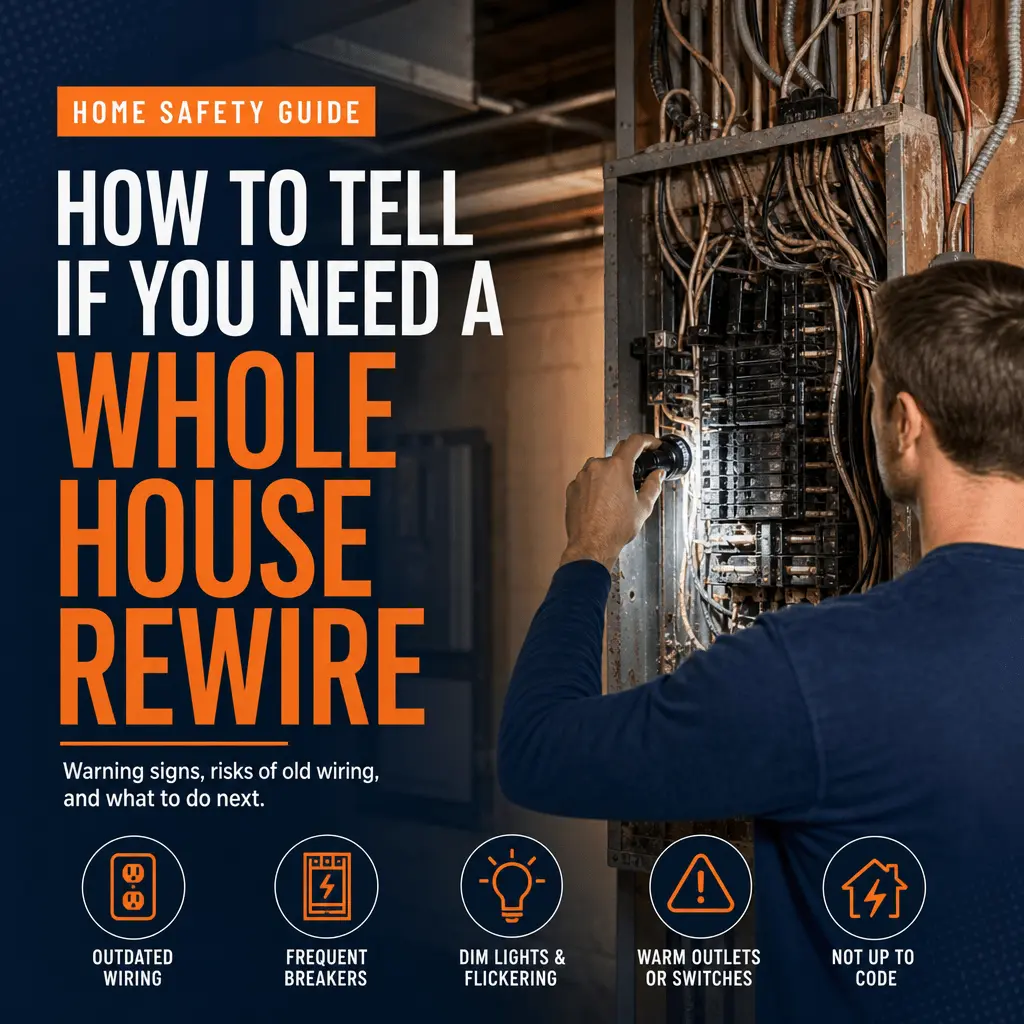
As homes age, their electrical systems have to work harder to keep up with modern life. Between larger appliances, more electronics, EV chargers, and increased lighting demands, older wiring can become a safety issue long before it stops working completely. If you’ve been wondering whether your home needs a whole house rewire, the warning signs are usually there — you just have to know what to look for.
At Watt’s Right Electric, we help Tulsa homeowners identify unsafe wiring and upgrade their homes with licensed, permitted rewiring solutions. If your home is showing signs of trouble, scheduling an electrical inspection is the best place to start. For homes that need more than a repair, our whole-home rewiring service can bring your electrical system up to modern standards safely and efficiently.
What Is a Whole House Rewire?
A whole house rewire means replacing outdated or unsafe electrical wiring throughout the home. This typically includes branch circuit wiring, outlets, switches, fixtures, and often the electrical panel or panel connections as well. The goal is to improve safety, support modern electrical loads, and reduce the risk of electrical fires or recurring failures.
Not every home needs a full rewire. Sometimes a targeted repair or partial upgrade is enough. But if the wiring is old, damaged, unsafe, or no longer capable of meeting your home’s needs, a complete rewire may be the smartest long-term solution.
7 Signs You May Need a Whole House Rewire
1. Your Home Is 40+ Years Old
Age alone doesn’t automatically mean your wiring is dangerous, but older homes are much more likely to have outdated electrical systems. If your home is several decades old and has never been rewired, it may still contain wiring that wasn’t designed for today’s electrical demands.
Homes built before the 1970s may also have aluminum wiring, two-wire ungrounded circuits, or other outdated materials that should be evaluated by a licensed electrician.
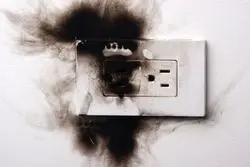
2. You Notice Burning Smells or Scorch Marks
A burning odor near an outlet, switch, light fixture, or electrical panel is a serious warning sign. Discoloration, black marks, or warm outlet covers can indicate overheating or loose connections. These problems can lead to electrical fires if ignored.
If you notice any of these symptoms, turn off power to the affected area if you can do so safely and call a professional right away.
3. Your Breakers Trip Frequently
A breaker that trips occasionally may not be a major issue, but repeated tripping is a sign that something isn’t right. It could mean your circuits are overloaded, your wiring is failing, or there is a deeper issue with the electrical system.
If you’re constantly resetting breakers, especially in multiple rooms or on multiple circuits, your home may need more than a simple repair.
4. Your Lights Flicker or Dim
Flickering lights are often dismissed as a minor annoyance, but they can point to loose wiring, overloaded circuits, or failing connections. Lights that dim when appliances kick on may also suggest your system is struggling to keep up with demand.
These issues are especially concerning if they happen frequently or across several areas of the home.
5. You Have Too Few Outlets and Rely on Power Strips
If your home was built before households relied on computers, charging stations, and multiple kitchen appliances, it may not have enough outlets or circuits for modern use. Relying on extension cords and power strips everywhere can create fire hazards and place unnecessary strain on your wiring.
In some cases, adding new outlets or circuits may solve the problem. In others, the underlying wiring is too outdated to safely support expansion without a full rewire.
6. Your Home Has Aluminum or Knob-and-Tube Wiring
Some wiring types are known to be outdated and potentially hazardous. Aluminum branch wiring, commonly found in homes built before 1972, can pose fire risks if it hasn’t been properly addressed. Knob-and-tube wiring, usually found in much older homes, lacks grounding and is not suited for modern electrical demands.
If your home still has either of these systems, have them inspected immediately by a licensed electrician. Our aluminum wiring replacement service can safely bring these circuits up to code. You can also review the U.S. Consumer Product Safety Commission’s guidance on repairing aluminum wiring for more information.
7. You’re Planning a Remodel or Major Addition
Renovations are one of the best times to address outdated wiring. When walls are already open, a rewire is often less disruptive and more cost-effective than waiting until problems show up later. If you’re adding a kitchen, finishing a basement, or expanding your home, your electrical system may need to be upgraded to handle the new load.
Before a remodel moves too far along, it’s smart to have your wiring and panel evaluated to make sure the system can support the project.
Other Warning Signs to Watch For
In addition to the seven major signs above, watch for these common red flags:
- Outlets that are loose, cracked, or discolored
- Buzzing or sizzling sounds from outlets or switches
- Shock or tingling sensations when touching appliances
- Frequently blown fuses or tripped breakers
- Ungrounded outlets throughout the home
- Visible deterioration on exposed wiring
- Electrical problems that keep coming back after repairs
If multiple issues are happening at once, that usually means the system is nearing the end of its useful life rather than dealing with one isolated defect.
Do You Need a Full Rewire or Just an Upgrade?
Not every home needs a complete rewire. Some houses only need selective repairs, a panel upgrade, or new circuits for high-demand appliances. The best way to know is through a detailed inspection by a licensed electrician.
At Watt’s Right Electric, we look at the age of the home, the wiring type, the panel condition, and the overall safety of the system before recommending next steps. In some cases, a panel upgrade may be needed alongside rewiring to keep everything working safely and efficiently.
Why Whole House Rewiring Matters
Old or damaged wiring is more than an inconvenience. It can lead to power interruptions, appliance damage, failed inspections, and serious fire hazards. A proper rewire improves safety, supports modern electrical usage, and gives you peace of mind that your home is wired the right way.
It can also help protect your investment. If you plan to sell your home in the future, updated electrical systems can make the property more attractive to buyers and reduce issues during inspections.
What to Expect During a Whole House Rewire
A whole house rewire is a major project, but a professional electrician will make the process as organized and manageable as possible. The project typically starts with an inspection and written estimate. From there, the work is planned around the layout of your home and the condition of the existing wiring.
Depending on the size and age of the home, the process may include permits, inspections, wire replacement, outlet and switch updates, panel work, and final testing to confirm everything is operating safely.
Frequently Asked Questions About Whole House Rewiring
How long does it take to rewire a whole house? Most whole house rewires take several days to a couple of weeks, depending on the size of the home, the number of circuits, and how accessible the existing wiring is. Your electrician can give you a clearer timeline after an inspection.
Do I have to move out during a rewire? Not always. Many rewires can be completed in phases so you can stay in your home, though power will be shut off to work areas at times. Your electrician will walk you through what to expect before the project begins.
Is a whole house rewire worth it? If your wiring is outdated, damaged, or unsafe, a rewire is one of the most valuable investments you can make. It reduces fire risk, supports modern electrical demands, and can increase your home’s value and make it easier to sell.
Schedule an Electrical Inspection First
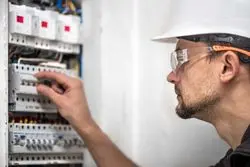
If you suspect your home may need rewiring, the safest next step is an inspection. A licensed electrician can determine whether your wiring needs repair, partial replacement, or a full rewire.
Watt’s Right Electric provides thorough electrical inspections in Tulsa and surrounding areas so homeowners can make informed decisions before small issues turn into major hazards. If rewiring is needed, our whole-home rewiring services are designed to improve safety and bring your home up to current standards.
Final Thoughts
If your home is older, your breakers trip often, your lights flicker, or you’re noticing burning smells or outdated wiring, don’t wait to have it checked. These are some of the clearest signs that a whole house rewire may be necessary.
When it comes to electrical safety, the cost of waiting is often much higher than the cost of fixing the problem early. If you’re unsure about your home’s wiring, schedule a professional inspection and get the answers you need.